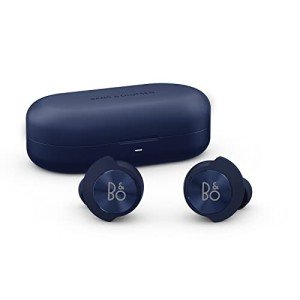
15 Things You Didn't Know About Cool Earphones Online


The Comprehensive Guide to Audio Headphones: Types, Features, and Recommendations
In an age where audio consumption has actually ended up being an ubiquitous part of every day life, the importance of top quality audio headphones can not be overemphasized. Whether for music, gaming, or professional usage, the best headphones can considerably enhance the listening experience.
Understanding Headphone Types
When entering the world of headphones, it's important to comprehend the different types offered, each dealing with different user needs and preferences. Below is a contrast of a few of the most common headphone types:
| Headphone Type | Description | Pros | Cons |
|---|---|---|---|
| Over-Ear | Large ear cups that encase the ears. | Exceptional sound quality; convenience | Large; not portable |
| On-Ear | Smaller sized ear cups that rest on the ears. | More compact than over-ear | Less sound isolation |
| In-Ear (Earbuds) | Small headphones that fit directly in the ear canal. | Extremely portable; good sound isolation | Can be uncomfortable over long periods |
| Wireless | Headphones that connect by means of Bluetooth. | Wire-free convenience | Battery life is an issue |
| Noise-Cancelling | Active noise reduction technology | Great for obstructing background sound | Typically more expensive |
Picking the Right Type
Picking the ideal kind of headphone mainly depends upon personal choices and meant usage. For instance, users who prioritize sound quality and comfort for long listening sessions may prefer over-ear alternatives. In contrast, those seeking mobility and convenience for commuting might lean towards in-ear designs or cordless selections.
Important Features of Audio Headphones
While the type of headphone is crucial, numerous other features and specifications can impact the general listening experience.
1. Sound Quality
Sound quality is arguably the most essential function when thinking about audio headphones. The clearness, balance, and richness of audio can vary substantially based on develop quality, materials, and motorist size.
2. Impedance
Impedance measures the resistance that headphones supply to the audio source. Lower impedance (below 32 ohms) appropriates for portable devices like smartphones, while higher impedance (above 32 ohms) is normally more suitable for studio use with amplifiers.
3. Frequency Response
The frequency response describes the variety of sound frequencies that headphones can reproduce. A larger range (e.g., 20Hz-20kHz) is normally more effective for music versatility.
4. Comfort
Convenience is essential for extended use. Try to find functions such as cushioned ear cups and adjustable headbands to ensure a good fit.
5. Battery Life
For cordless headphones, the battery life can considerably affect usability. Lots of contemporary models offer 20 hours or more of playtime on a single charge.
6. Build Quality
The products used in constructing headphones can impact durability and comfort. Best Online Headphone Store for designs with quality plastics or metals, and check for features like foldability for simpler storage.
Suggestions for Different Use Cases
Here are ideas tailored for differing needs:
For Music Lovers
Sony WH-1000XM4
- Type: Over-ear
- Features: Noise-cancellation, touch controls, 30-hour battery life.
For Gamers
HyperX Cloud II
- Type: Over-ear
- Features: 53mm chauffeurs, detachable microphone, virtual 7.1 surround noise.
For Travel
Bose QuietComfort 35 II
- Type: Over-ear
- Features: Exceptional noise cancellation, cordless, 20-hour battery life.
For Everyday Use
Apple AirPods Pro
- Type: In-ear (wireless)
- Features: Active noise cancellation, adaptive EQ, transparency mode.
For Athletic Activities
Jabra Elite Active 75t
- Type: In-ear (cordless)
- Features: Waterproof, safe and secure fit, 24-hour battery life with charging case.
Regularly Asked Questions (FAQs)
1. What is the difference between wired and cordless headphones?
Wired headphones connect straight to devices utilizing a cable television, supplying uninterrupted audio without the requirement for batteries, while wireless headphones connect by means of Bluetooth, using more liberty of movement however requiring battery power.
2. How do I tidy my headphones?
To clean your headphones, gently wipe the ear cups with a soft, wet cloth to get rid of dirt and gunk. For in-ear designs, you can remove silicone pointers and clean them independently.
3. Can I use my headphones while working out?
Yes! However, it's best to try to find moisture-resistant models designed for exercises to endure sweat and movement.
4. What should I consider when buying noise-cancelling headphones?
When acquiring noise-cancelling headphones, consider sound quality, convenience, battery life, and whether you require extra features like ambient sound modes.
5. Are pricey headphones worth the investment?
While not all costly headphones guarantee remarkable quality, higher rate points typically reflect better materials, sound quality, and resilience, making them worth thinking about for severe audiophiles or specialists.
Audio headphones have actually come a long method, using a wide variety of choices to deal with varied needs and choices. Understanding the different types, necessary features, and particular recommendations can help users make informed decisions.
When purchasing headphones, consider how and where you will be utilizing them. With the right understanding base, one can improve their audio listening experience significantly, ensuring that every beat, dialogue, or sound impact is crisp and clear. Whether for individual pleasure, expert jobs, or gaming, the right headphones can make all the difference.